
How to install a water heater timer
Last update: December 2010
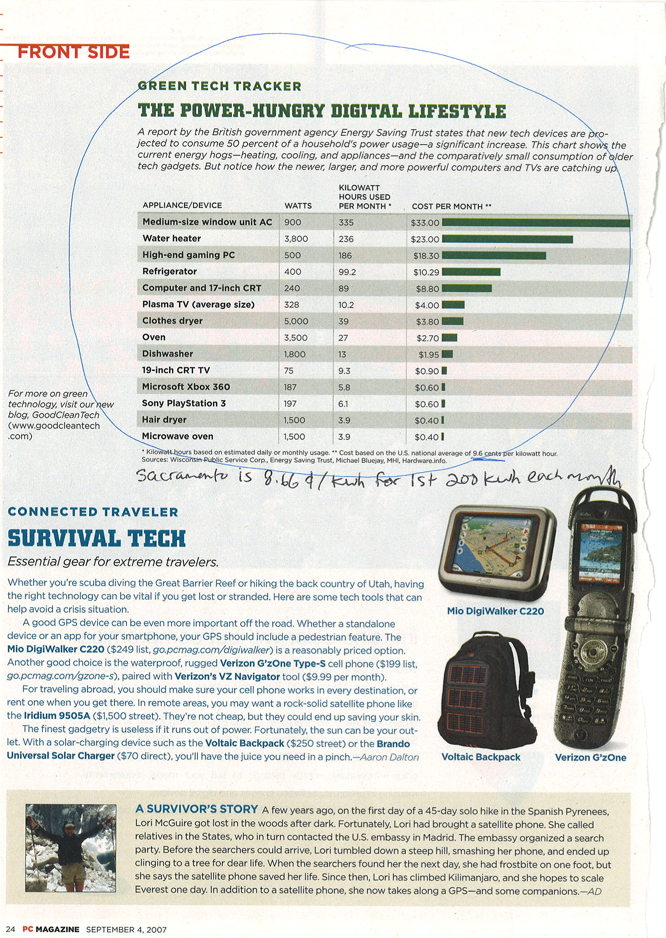
First, please realize that water heater timers might not save as much money as you'd expect. That's because a typical electric water heater runs only about three hours a day anyway, and modern energy-efficient water heaters run only 1.3 hours or so. Standby losses (how much heat the tank loses by just sitting there) aren't that great, especially for modern heaters. (In fact, if your heater was made after 1998, it's possibly not worth using a timer at all.) And even with a timer you'll still have standby losses as soon as you leave for work and after the tank shuts off for the night. A timer for an old (pre-1998) heater will save about 25kWh/mo. for a family of two using 40 gallons a day with the heater off four to six hours a day, but only 14kWh/mo. for a family of four using 80 gallons a day. (Florida Extension Service)
On the other hand, installing a heater timer
couldn't hurt, and it's pretty cheap to do.
So let's see how
to install a timer for an electric heater. (Gas water heater
timers are even easier -- you just pull off the temperature knob and
press the timer up against it. See this gas timer manufacturer's website. Below we'll cover just the timer for electric heaters.)
If you're lucky enough have a heater that plugs into a standard electrical outlet, your solution is simple: Plug a regular 120-Volt timer into the outlet, set it, then plug your water heater into the timer. You'll be able to use a generic timer, which is cheaper and smaller than a water heater timer.
But more likely, your water heater is 220
volts, and the power cord goes straight into the heater. If that's
the case, you'll need a special water heater timer (about $40 at your
home improvement store), and you'll have to go through a few more steps
to install it. Of course, you could always pay an electrician to
install it (about another $70 or so), but it's not hard to install
yourself. Standard disclaimer: Electricity
can kill you so follow the instructions that come with the timer
carefully, or hire an electrician.
The timer will come with instructions, but here's what you'll be doing:
- Verify that your water
heater really is 220V and not 120V. (Look at the
heater or the heater manual and see whether it's labeled 220V or 120V.)
If the power cord runs from the wall into the heater and there's no
electrical outlet between them, it's probably 220V. Once you're
certain of the voltage, go to a home improvement store to get the parts.
- At the store, get
these things:
- a 220V water heater timer
- #10 electrical wire (to reach from the wall to the heater; probably about 3 feet)
- a combination wire cutter/stripper
- a screwdriver, if you don't already own one
- Back at home, take the timer out of its case, and mount the case to the wall with the screws that came with it. (If the timer tells you to make the connections first before mounting it, then follow the instructions. For that matter, allows go with what the timer instructions say if they differ from what you read here.)
- Turn off the circuit
breaker to your water heater. For 220V heaters it may be
two circuit breakers connected together by a tab. Make absolutely sure that you turn off the correct
breaker(s)! If you don't shut off the power to your heater, you'll
electrocute yourself when you make the connections. If
you want to be really safe, turn them ALL off and do the wiring work
with a headlamp or flashlight. If you're uncomfortable with any of this, call
an electrician instead.
- Once the power is off,
unscrew the plate on top of the water heater where the power cable goes
in, and remove the electrical cord.
- Fish the cord you just
removed from the water heater through the timer case on the wall, and
connect the ends to the timer.
- Connect one end of the
wire you bought at the store to the timer, and the other end to the
heater. Screw the plate back onto the top of the heater,
and screw the timer into its case.
- Set the timer, and turn the breaker back on. You're done!
See also my page about saving on water heating, and questions I've received and answered about how saving on water heating costs.